
Last updated October 16, 2026
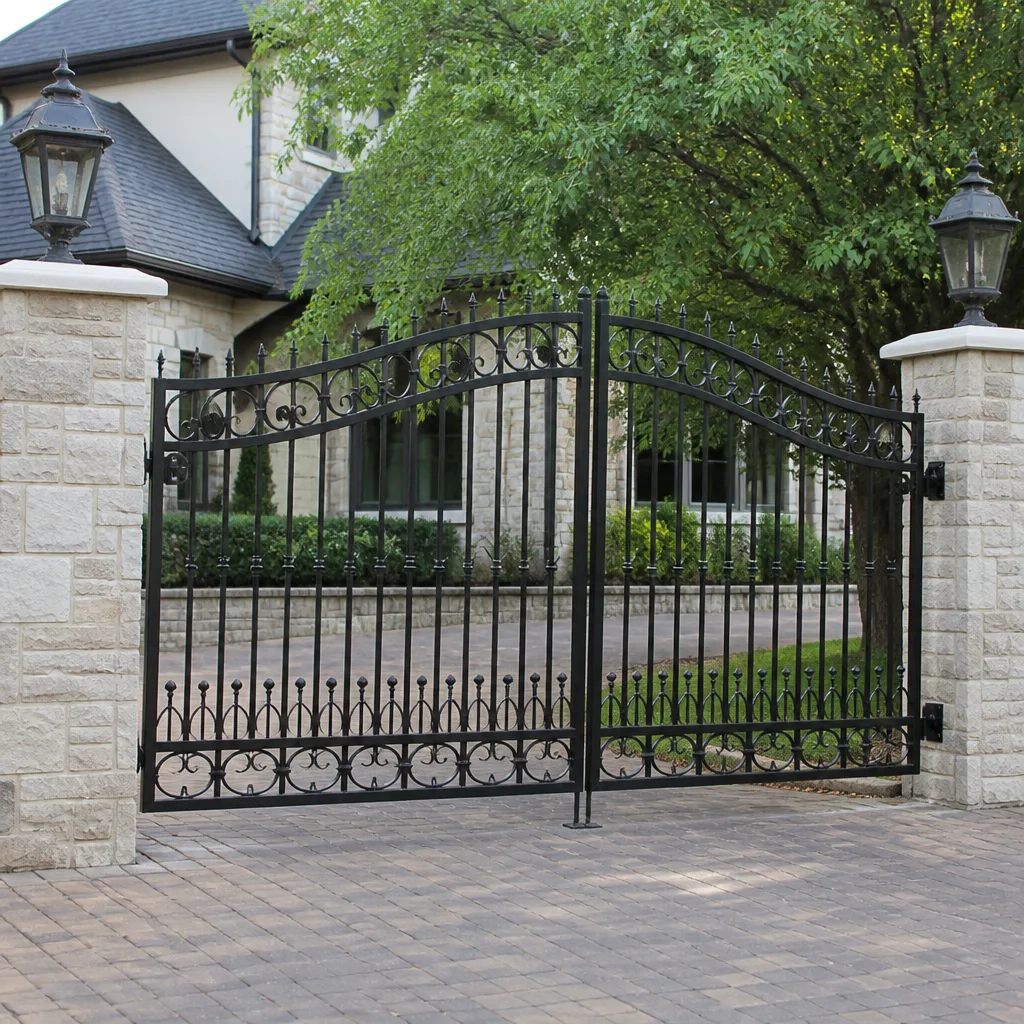 Wrought iron
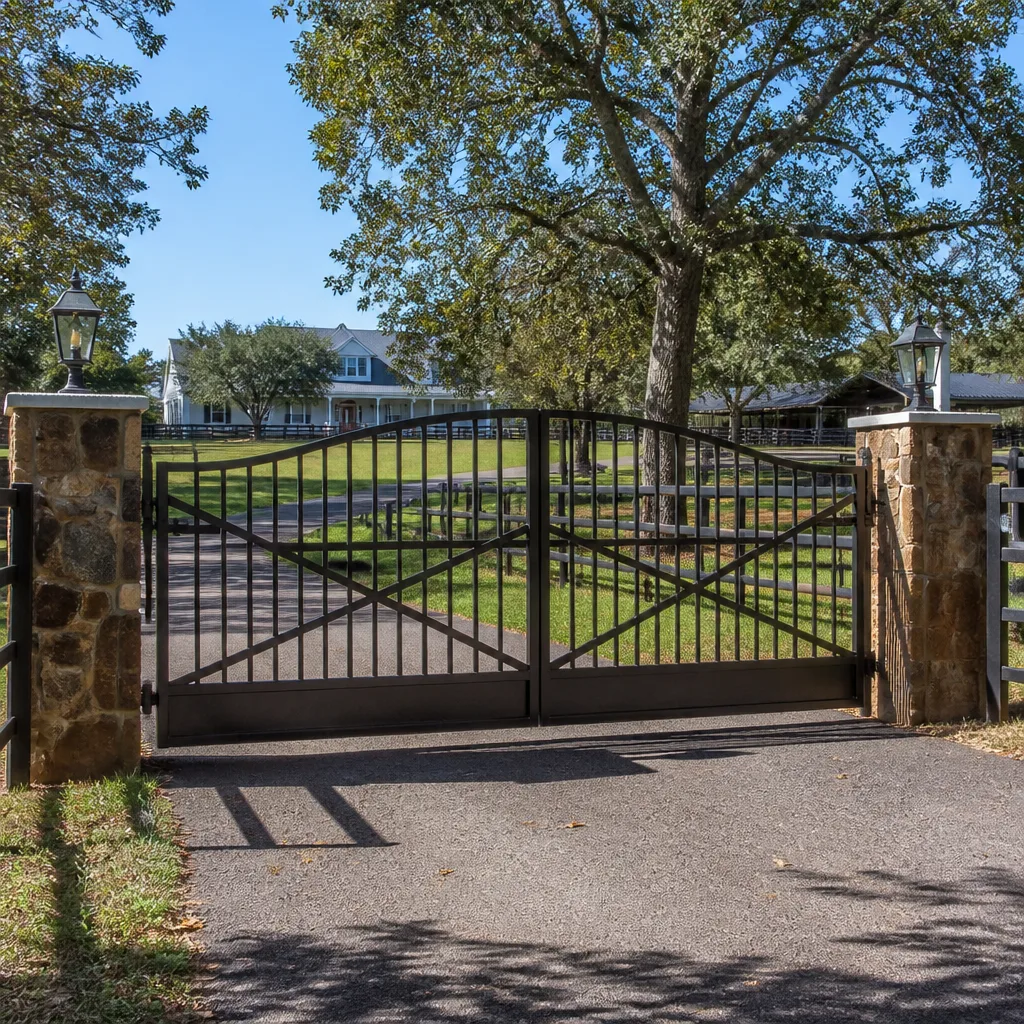 Farm & ranch
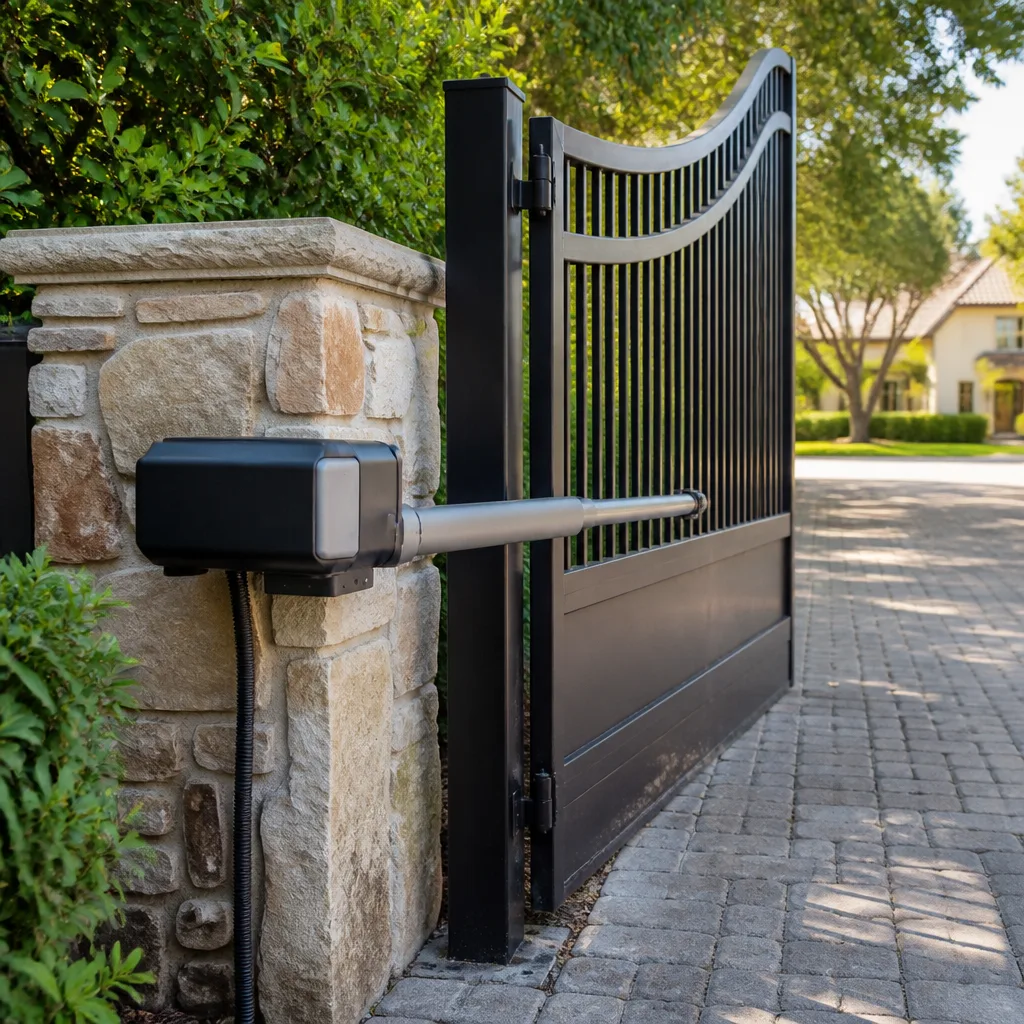 LiftMaster operators
Free on-site gate assessment - hinges, posts, and your LiftMaster or Nice gate operator checked before anything is quoted
The assessment is free and the quote is the invoice.
Get your free estimateGate Repair Permits, Codes & Inspections in FL: What You Need to Know
Most Miami homeowners assume gate repair is permit-free, and for a surprising number of jobs they’re right. But the line between a simple fix and a regulated modification is thinner than most people think, and crossing it without paperwork creates a slow-burning problem that doesn’t surface until the worst possible moment. A homeowner in Coral Gables listed their house last spring, accepted an offer within a week, and watched the whole deal collapse during the inspection period because an unpermitted gate motor upgrade from three years earlier showed up as an open code violation. The seller was legally required to resolve it before closing. They couldn’t. This guide draws the exact line between work that flies under the radar in Miami-Dade County and work that triggers the building permit system, so you don’t inherit someone else’s paperwork problem or create your own. For related reading, see our Gate Repair Warning Signs: A Miami Homeowner’s Reference Guide.
Styles & brands we work with
Quick Answer
In Miami-Dade County, simple gate repairs like replacing a hinge, welding a crack, or swapping a circuit board do not require a permit. However, replacing an automated gate motor, adding a new access control system, or widening a gate opening often does require a Miami-Dade building permit, plus a gate safety inspection under Florida Building Code Section 3006. When in doubt, call the county at (850) 821-3781 for clarification, which is free and takes less than ten minutes.
Table of Contents
- The Exact Permit Triggers: Repair vs. Modification in Miami-Dade
- Florida Building Code 3006: What It Actually Says About Automated Gates
- The HOA Overlay: When Community Rules Are Stricter Than County Code
- The Permit-Pull Process in Miami-Dade: Timeline, Cost, and Responsibility
- How to Retroactively Permit Unpermitted Gate Work
- What Inspectors Actually Check at a Miami Gate Inspection
- Common Mistakes to Avoid
- When to Call a Professional
- Frequently Asked Questions
- The Bottom Line
The Exact Permit Triggers: Repair vs. Modification in Miami-Dade
Here’s the practical distinction Miami-Dade’s Building Department uses: a repair restores something to its original, permitted condition. A modification changes what was originally approved. That distinction drives nearly every permit decision.
Replacing a worn hinge, welding a cracked gate frame, swapping a failed capacitor, or installing a new photoelectric sensor on an existing automated gate sits firmly in the repair category. No permit needed. The gate functions as it did before, no safety envelope changed, no structural alteration occurred.
But the moment you change the operating system or the physical envelope, Miami-Dade’s radar turns on. Specifically, these trigger a permit in Miami-Dade County:
- Replacing an automated gate motor with a different model or capacity. Even if the old motor was permitted, the new one changes the gate’s force profile and safety sensor configuration. The county treats this as new equipment, not a repair.
- Adding access control to a gate that was previously manual. A keypad, card reader, or telephone entry system converts a manual gate into an automated gate. Under Florida Building Code, that’s a full automated gate installation, requiring permit and safety inspection.
- Widening a gate opening or relocating gate posts. This is structural. It changes the load path, foundation requirements, and safety zone calculations. Miami-Dade requires engineered drawings for any post relocation.
- Installing a new driveway gate where none existed before. New construction, full stop.
- Running new electrical service to power a gate operator. Even for an existing gate, a new dedicated circuit is governed by the National Electrical Code and requires an electrical permit through Miami-Dade.
We’ve seen homeowners in Pinecrest, Kendall, and Doral each pay north of $3,000 to correct work a handyman did without permits, which is why our Gate Repair services always include proper permitting when required. In every case, the underlying repair was legitimate. The problem was the scope creep: replacing the motor while they were at it, or adding a keypad because it seemed convenient. That convenience becomes a county code violation the moment it’s not documented.
If your gate repair stays within the repair category, and you’ve verified that with the county, you’re done. If it crosses into modification territory, see the permit process section below. And if you’re not sure which side of the line your project falls on, read our guide on Gate Repair in Miami for the most common scenarios we encounter, or call us directly. We’ve walked hundreds of Miami homeowners through this exact question.
Florida Building Code 3006: What It Actually Says About Automated Gates
Florida Building Code Section 3006 governs automatic vehicular gates, and it’s the section Miami-Dade inspectors cite most often. The code is not a suggestion. It’s law, and it carries specific, measurable requirements that every automated gate system in Miami must meet.
The core requirements break down like this:
- Entrapment protection devices are mandatory. Every automated vehicular gate must have at least two independent entrapment protection systems. The most common pairing in Miami: a contact sensor (physical edge that reverses the gate on contact) plus a non-contact sensor (photoelectric eye or infrared beam that detects an obstruction before contact).
- Force settings must be capped. The gate operator’s maximum force cannot exceed the level specified in the operator’s UL 325 certification. In practice, Miami inspectors use a force gauge to verify the gate reverses rather than crushes. A gate that doesn’t reverse on contact fails inspection immediately.
- Warning signage is required. Every automated gate needs visible warning signs on both sides, specifying that the gate is automatic and may move without warning. These signs must meet specific size and legibility requirements.
- Pedestrian separation must exist. If a pedestrian gate isn’t provided within a reasonable distance, the automated vehicular gate itself must be designed to prevent pedestrian entrapment. In Miami neighborhoods with narrow setbacks, this is one of the most common inspection failures.
- Manual release mechanisms must be accessible. Every automated gate needs a way to be manually operated in a power failure. The release mechanism must be accessible without special tools and without reaching through the gate’s path of travel.
The 2023 edition of the Florida Building Code, which Miami-Dade adopts with local amendments, also requires that all gate operators installed after January 1, 2024, meet UL 325 2018 edition standards. What does that mean for a Miami homeowner? It means older operators, especially those installed before 2010, may not meet current code even if they were legal when installed. If you replace a motor, the new one must meet current standards, which effectively means a permit-triggering upgrade even when the old motor was identical in function.
For a deeper dive into what automation work involves, see our guide on Electric Gate Repair in Miami, where we’ve broken out the technical side in plain language.
The HOA Overlay: When Community Rules Are Stricter Than County Code
Here’s a nuance most permit guides miss: in Miami, your HOA can impose requirements that go far beyond Miami-Dade county code, and the county won’t enforce HOA rules, but your HOA will enforce them through fines, liens, and legal action. A gate repair that’s perfectly legal at the county level can still get you a violation notice from your community association.
This plays out in three common ways across Miami’s gated communities:
- Design review requirements. Communities like those in Doral, Aventura, and parts of Kendall require architectural review board approval before any gate modification, even a simple motor replacement. The HOA’s concern is aesthetic consistency, but the practical effect is another approval layer, often with a 30-day review window.
- Brand and model restrictions. Some HOAs mandate specific operator brands, typically FAAC, BFT, or Linear in Miami’s higher-end communities, to maintain parts inventory consistency and uniform performance. You own a LiftMaster, but your HOA requires BFT. The county doesn’t care. Your HOA does, and it can fine you for the violation.
- Maintenance and inspection requirements. Certain Miami HOAs require annual gate safety inspections by a licensed contractor, with documentation filed with the association. This is stricter than county code, which only triggers inspections at installation or permit renewal. If you skip the annual HOA inspection, you’re in violation of your community’s governing documents even though you’re fully compliant with Miami-Dade.
Here’s the practical sequence: before you schedule gate-related work of any kind in a Miami HOA community, pull your community’s governing documents. Look for the architectural guidelines and any gate-specific policies. If your HOA has rules, those rules apply in addition to, never instead of, county requirements. A BFT operator installed with full Miami-Dade permits can still be an HOA violation if the brand wasn’t approved in advance.
We’ve handled several cases in Coral Gables and Coconut Grove where a homeowner paid for a full gate automation project, only to discover their HOA required a completely different operator brand. The county permit was fine. The HOA violation wasn’t. The retrofit cost thousands. Reading the HOA documents first is free.
One more Miami-specific note: some of the city’s older neighborhoods, including parts of Shenandoah and Silver Bluff, are designated historic districts. Historic preservation overlays can restrict gate height, material, and even color. Those restrictions come from the city of Miami, not the county, and they’re enforced through the same stop-work order system. Check with your district’s preservation office before changing a gate’s appearance, even if the county says no permit is needed.
The Permit-Pull Process in Miami-Dade: Timeline, Cost, and Responsibility
Let’s walk through what actually happens when you pull a permit for gate work in Miami-Dade County. This is the process we go through on behalf of clients regularly, and the timeline below reflects current real-world conditions in Miami, not the optimistic estimates on the county website.
Step 1: Determine the permit type. Gate automation work typically falls under an electrical permit or a building permit, depending on the scope. A motor replacement with new wiring is an electrical permit. Widening an opening or relocating posts is a building permit. Some projects require both. A qualified contractor can tell you which by reviewing the scope, which takes about 15 minutes.
Step 2: Prepare the submittal package. For electrical permits, you’ll need a completed permit application, a site plan showing the gate location, the operator’s UL 325 certification documentation, and a safety device schedule listing the entrapment protection being installed. For building permits, you’ll also need engineered drawings sealed by a Florida-licensed engineer if the work involves structural changes. The submittal package is the biggest source of delay for homeowners who try to permit on their own; missing documentation sends the application back to the end of the line.
Step 3: Submit and pay fees. Miami-Dade’s online permitting portal accepts electronic submittals. Permit fees for gate work in Miami-Dade typically run from $180 to $450 depending on the scope, but this excludes any plan review fees, which can add another $150 to $300 if engineering review is required. Total all-in cost for a typical gate motor replacement permit in Miami: roughly $330 to $750.
Step 4: Wait for review. Electrical permits with complete submittal packages typically clear review in 5 to 10 business days. Building permits with structural components can take 2 to 4 weeks. If the application is incomplete, each resubmission cycle adds another 3 to 5 business days. This is where many homeowners stall out; a single missing form cascades into weeks of delay.
Step 5: Complete the work and schedule inspection. After the permit is issued and the work is done, you schedule the inspection. Miami-Dade inspectors generally schedule within 3 to 7 business days for gate inspections. The inspection verifies safety devices, force settings, signage, and electrical connections.
Step 6: Close the permit. Once the inspection passes, the permit is closed and becomes part of the county’s permanent record. This is the document you’ll need at resale. An open permit, even one that passed inspection but was never finaled, shows up as an open item in title searches and can block a sale.
Who’s responsible for pulling the permit? In Miami-Dade, the contractor is legally required to pull permits for work they perform; it’s a condition of their contractor’s license. If a contractor tells you the homeowner should pull the permit, that’s a red flag. It usually means the contractor isn’t actually licensed in Miami-Dade, or they’re trying to avoid the permitting cost and paperwork. Either way, walk away. At Calder Gate Repair Miami home services, we pull every permit on our clients’ behalf and include the permit cost in the written estimate before any work begins.
How to Retroactively Permit Unpermitted Gate Work
The deal that collapsed in Coral Gables I mentioned earlier? Here’s what the seller could have done three years earlier, when the unpermitted motor upgrade first happened, and what you can do now if you discover unpermitted gate work on your property.
Retroactive permitting, sometimes called “as-built” permitting, is a legal process in Miami-Dade. It won’t erase the violation, but it converts an open code violation into a closed, compliant permit. The alternative, ignoring it, means the violation surfaces during a title search, insurance audit, or post-storm damage claim, which always costs more than fixing it proactively.
Here’s the step-by-step:
- Document what exists. Take photos of the gate, operator, safety devices, and any electrical connections. You’ll need these for the as-built submittal.
- Hire a licensed Miami-Dade contractor to assess the work. Not every retroactive permit is straightforward. If the work wouldn’t pass current code, you’ll need corrective work first. A licensed contractor can tell you what needs upgrading: sensor placement, force settings, signage, or operator replacement if it’s too old to meet UL 325 2018 standards.
- Complete any corrective work. This is often the most expensive part. An older operator that was fine in 2018 may not meet 2024 code. You may need to upgrade a Mighty Mule or older Viking unit even though it was working fine, simply because the current code requires newer safety technology.
- Submit the as-built permit application. Your contractor will prepare and submit this, including documentation of the corrective work. Miami-Dade has a specific as-built process that’s different from a standard permit application.
- Pass the inspection. The county sends an inspector who verifies the system meets all current Florida Building Code 3006 requirements. This is the same inspection as a new installation.
- Get the permit closed. The closed permit now appears in county records. Future title searches show compliance, not a violation.
What does retroactive permitting cost in Miami-Dade? Corrective work often runs $800 to $2,500 depending on what needs upgrading. The as-built permit itself costs roughly the same as a standard permit: $300 to $500. The total, including contractor oversight, typically lands between $1,500 and $4,000. Compare that to a failed home sale, where a single unresolved code violation can cost tens of thousands in deal concessions or a lost transaction entirely.
For specifics on opener brands and what retrofits they may need under current Miami-Dade code, see our guide on Gate Opener Repair in Miami. We’ve covered FAAC, BFT, Linear, and Viking units specifically, since those are the brands Miami HOA communities most often require.
What Inspectors Actually Check at a Miami Gate Inspection
If you’ve never been through a Miami-Dade gate inspection, you might imagine it’s a bureaucratic formality. It’s not. Miami inspectors, especially in the current enforcement environment, are thorough on gate inspections because entrapment incidents are one of the few gate-related failures that make headlines. Here’s what the inspector will check, in the order they typically check it:
- UL 325 compliance documentation. The inspector will ask for the operator’s UL 325 listing and the safety device schedule. If you can’t produce these, the inspection ends and you reschedule, with another fee.
- Entrapment protection devices. The inspector will test each sensor: contact edges, photoelectric eyes, loop detectors. They’ll block the gate path and verify reversal. They’ll test the gate in both directions, multiple times.
- Force settings. Using a force gauge, the inspector verifies the gate reverses at the correct pressure. Gates set too strong fail on the spot.
- Warning signage. They’ll check that the required warning signs are present, legible, and correctly placed on both sides of the gate.
- Manual release accessibility. The inspector will ask to see the manual release mechanism and will verify it can be operated without tools.
- Electrical connections. They’ll confirm the operator is on a dedicated circuit with proper overcurrent protection, and that wiring is appropriate for outdoor use in Miami’s corrosive coastal environment.
- Post and foundation integrity. For structural permits, they’ll also verify posts are properly set and that the gate swings or slides without binding.
One Miami-specific note: inspectors here are particularly attentive to corrosion on electrical components. The salt air in coastal neighborhoods like Key Biscayne, Miami Beach, and parts of Coconut Grove degrades electrical contacts faster than inland. An operator that passed inspection three years ago may fail today if the connections have corroded. Regular maintenance is not just a reliability issue in Miami; it’s a compliance issue. We see this constantly in our Electric Gate Repair in Miami work: a gate that worked fine in September needs attention in January because the coastal air got to the connectors.
Common Mistakes to Avoid
- Assuming “repair” covers whatever the gate needs. Replacing a hinge is a repair. Replacing a motor is not. In Miami-Dade, the distinction matters legally. Ask before you assume.
- Trusting a contractor who says “we don’t need a permit.” A licensed Miami-Dade contractor is legally obligated to pull permits for qualifying work. A contractor who refuses is either unlicensed or misleading you. Either way, you own the aftermath.
- Ignoring HOA requirements because the county doesn’t require a permit. Your HOA can fine you and file a lien against your property for gate work that’s perfectly legal at the county level. Read your governing documents first.
- Skipping the permit to save $400. The unpermitted work becomes a title defect that blocks a future sale. The $400 savings becomes a $4,000 correction or a lost deal worth far more.
- Installing an operator that doesn’t meet UL 325 2018 standards. Some older units, especially older Mighty Mule and Viking models, don’t meet current safety standards. Installing one in 2026 creates an immediate code violation, even if the county doesn’t catch it immediately.
- Leaving the permit open after the inspection passes. A passed inspection with an unclosed permit still shows up as an open item in a title search. Close it out.
- Forgetting that coastal corrosion accelerates gate failures. In Miami beachside neighborhoods, a gate that meets code at installation can fall out of compliance through corrosion alone within a few years. Schedule an annual safety check.
When to Call a Professional
If your gate project involves replacing an operator, adding access control, moving posts, or any modification to an automated gate system, that’s the moment to stop and call a licensed Miami-Dade contractor who understands the permitting landscape-our How to Hire a Gate Repair Contractor in Miami: A Step-by-Step Guide can help you choose wisely. The same applies if you’ve discovered unpermitted gate work on your property from a previous owner, if your HOA has flagged your gate for compliance issues, or if a failed inspection has left you with an open permit.
These situations share a common theme: the cost of getting it wrong, in fines, failed sales, or safety problems, is much larger than the cost of getting it right the first time. That’s the entire reason Calder Gate Repair Miami exists. We handle the permit paperwork, the HOA documents, the inspection scheduling, and the repair or installation itself. Every project includes a written price before work starts. Calder Gate Repair Miami offers free estimates in Miami, call (850) 821-3781.
Frequently Asked Questions
Most simple repairs, like hinge replacement, crack welding, or circuit board swaps, do not require a permit in Miami-Dade County. However, replacing the gate motor, adding automation to a manual gate, or moving gate posts triggers the permit requirement. Call (850) 821-3781 if you’re not sure which category your project falls into.
Typical gate permit fees in Miami-Dade run $180 to $450, with additional plan review fees of $150 to $300 when engineering review is required. Most homeowners pay between $330 and $750 total for a standard gate motor replacement permit. Call (850) 821-3781 for an exact quote on your specific project, estimates are free.
Yes, Miami-Dade offers an as-built permitting process that converts unpermitted work into compliant, permitted work, provided the work meets current code. Corrective work is often required first, adding $800 to $2,500 in typical costs before the permit is issued. Calder Gate Repair Miami handles the entire process, call (850) 821-3781 to start.
The inspector issues a correction notice listing specific deficiencies, and you’ll need to fix them and schedule a reinspection. Common failures include missing entrapment protection, excessive force settings, missing warning signage, and unreachable manual release mechanisms. Call (850) 821-3781 for a free estimate on correcting inspection failures.
Yes, and in many Miami communities the HOA’s requirements are stricter than the county’s. HOAs can mandate specific operator brands like FAAC, BFT, or Linear, require design review before any gate modification, and impose annual inspection requirements. Check your HOA’s governing documents before scheduling work.
Electrical permits for gate work with complete submittals typically clear review in 5 to 10 business days. Building permits with structural changes can take 2 to 4 weeks. Inspection scheduling adds another 3 to 7 business days. Plan for 3 to 6 weeks total from application to closed permit.
The Bottom Line
Miami-Dade’s gate permit requirements are specific but not mysterious. Simple repairs pass through without permits. Anything touching the operator, the access control, or the physical structure triggers the permit system, and the consequences of skipping it surface years later, in failed sales, HOA fines, and expensive retrofits. The smart sequence for any Miami homeowner: confirm which side of the repair-versus-modification line your project falls on, check HOA requirements, verify the operator meets UL 325 2018 standards, and if permits are required, work only with a licensed contractor who pulls them. For more guides & resources, explore our blog. An unpermitted gate motor isn’t just a paperwork issue, it’s a future deal-breaker.
Written by Nico Alvarez, Owner at Calder Gate Repair Miami, serving Miami since 2009.
See the difference
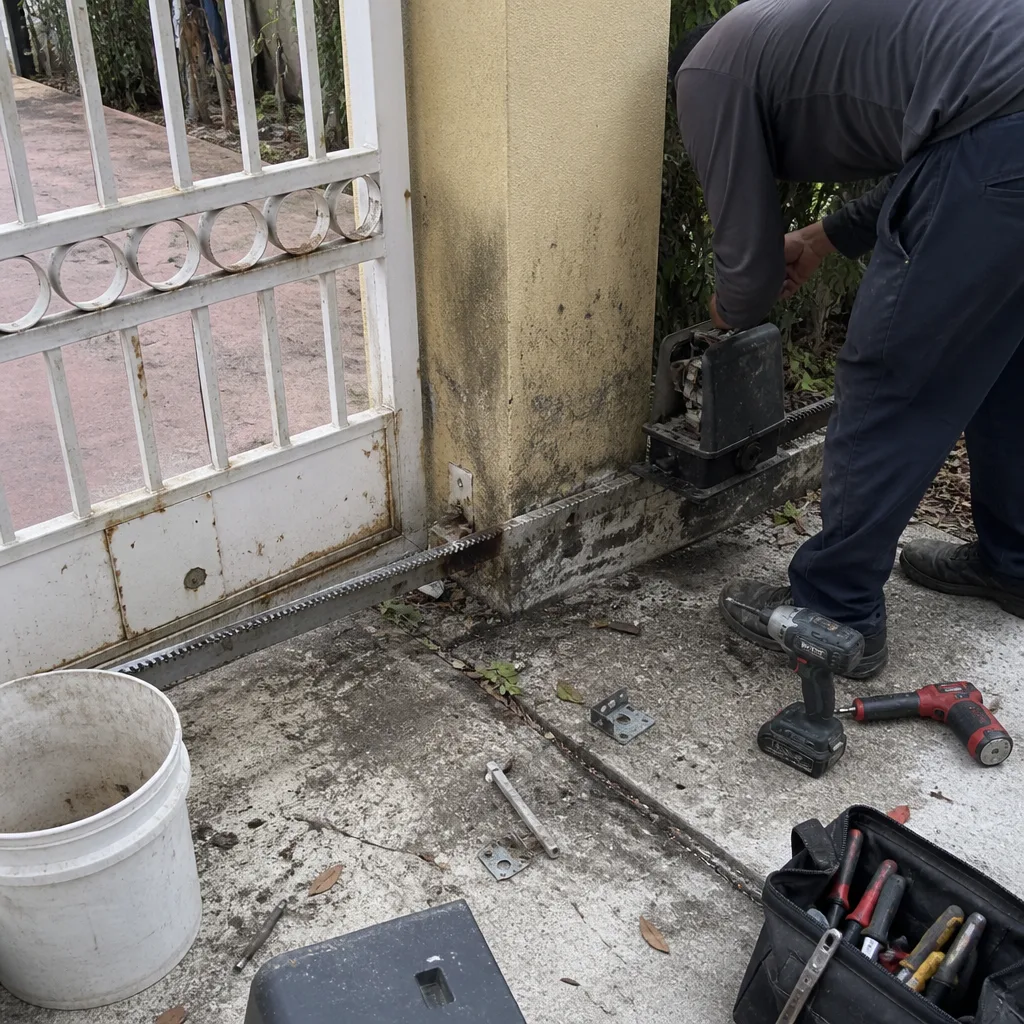 Before
 After
After Before
 After
After Before
 After
After